NASA Safety Panel Pegs Starship Launch Requirement for Lunar Mission at 22
A recent assessment from a NASA advisory body indicates the number of flights needed to fuel a lunar lander has grown significantly, raising questions about the program's timeline.
By Isabella Morales ·
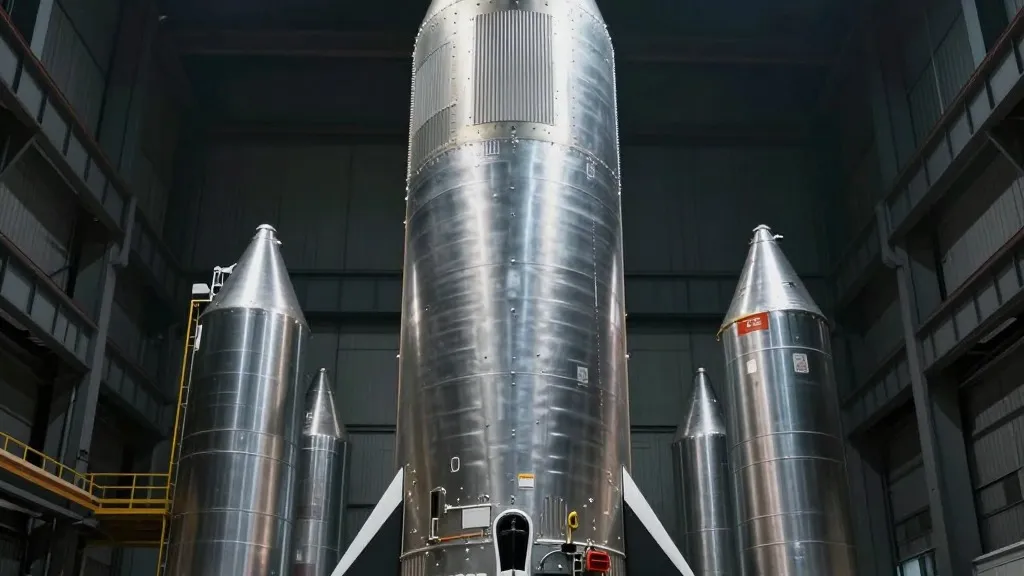
The number of Starship rocket launches required to support a human landing on the Moon has become a closely guarded metric within NASA, a figure the agency has historically declined to specify. For years, officials have treated the exact count of flights needed to fuel a lunar lander as a sensitive detail, similar to the way a government might protect classified codes. This reticence stems from a figure that has shifted repeatedly over time, reflecting evolving plans for the Artemis Program's mission architecture.
The uncertainty surrounding this data point is significant because it directly impacts the feasibility of using SpaceX's Starship for lunar missions. The process involves launching a 'depot' version of the spacecraft into low-Earth orbit, followed by a series of tanker flights to transfer the necessary liquid oxygen and methane propellant required for the journey to the Moon and back. Historically, NASA has been unwilling to commit to a specific number, with officials citing a range of possibilities. In 2023, Lisa Watson-Morgan, who was then director of NASA’s Human Landing System, declined to provide a precise figure, stating, “We have a general idea, but I’m reluctant to say exactly what that is.” She later suggested a number in the “high single digits to the low double digits.”
That estimate implied a launch sequence involving a depot ship and approximately 11 tanker vehicles to fully fuel a lander for a lunar voyage. Other officials have offered different figures, sometimes mentioning the “high teens,” illustrating a persistent lack of consensus. The underlying hope has always been that SpaceX would significantly increase Starship's lifting capacity, thereby reducing the number of tanker flights required for each mission.
However, a new estimate presented at a recent meeting has altered this outlook. During a quarterly session of the NASA Aerospace Safety Advisory Panel on Thursday, panel member Charlie Precourt, a former astronaut, addressed the risks associated with the Artemis Program. The discussion focused on the operational requirements for landing humans on the Moon, bringing the previously unquantified launch metric into sharper focus.
During his remarks, Precourt provided a new figure for the number of flights needed to support a Starship-based lunar lander. He stated that the estimate for the required launches is 22. This number represents a substantial increase from the ranges previously discussed by other NASA officials and marks a significant escalation in the projected operational demands for the mission.
The new projection of 22 launches introduces significant concerns among some NASA officials about the timeline for returning humans to the Moon. This higher figure suggests that the process of fueling a lunar lander is more complex and resource-intensive than previously anticipated. The implications of this requirement are central to discussions about the feasibility of the current schedule for the Artemis Program.
The growing number of required launches raises questions about the readiness of the Starship system to serve its designated role in the Artemis program this decade. The shift in estimates reflects ongoing challenges in developing and scaling up the Starship rocket. The prospect of conducting 22 launches for a single lunar mission poses a major logistical and technical hurdle that must be addressed for the program to remain on its current course.
Looking ahead, the discrepancy between earlier projections and this latest figure highlights the persistent challenges in finalizing the mission plan for a crewed lunar landing. The inability to reduce the launch count through improved rocket performance is a central issue. NASA's future plans for the Artemis Program depend on resolving the question of how many launches are genuinely necessary to send astronauts to the Moon and return them safely to Earth.
Source: Ars Technica